Video Streaming
10 questions to ask before hiring a Roku app developer.
November 26, 2026
Two Roku app development companies might have equally impressive portfolios. But that doesn’t mean they’re equally qualified to build your application.
One might specialize in relatively straightforward video-on-demand apps. Another might have extensive experience building enterprise streaming applications with complex integrations and demanding performance requirements.
So how do you tell them apart?
Before hiring a Roku development partner, you’ll want to understand how its engineers approach projects like yours. The right questions can help you evaluate their technical expertise and identify potential challenges before development begins.
Here are ten questions to ask prospective Roku development companies, along with what to look for in their answers.
Already have a Roku project in mind? Talk to REDspace’s app development team about your requirements.
1. What experience do you have developing Roku applications similar to ours?
Roku applications can vary considerably in their technical requirements. Building a basic video-on-demand app is a different undertaking from developing an enterprise streaming platform with live broadcasts and complex integrations.
When evaluating development companies, look for experience with projects similar to yours. Ask prospective partners to share examples of applications they’ve built, including the technical challenges they encountered and how they addressed them.
It’s also worth asking about their specific role in those projects. Did they develop the application from scratch, or were they responsible for a smaller part of the development process?
A technical walkthrough of a relevant project can give you a better understanding of the company’s capabilities and whether its experience aligns with your requirements.
Finally, it’s also worth checking whether the company is part of Roku’s official developer partner program. Partner status can provide another useful credential when evaluating prospective vendors, although you’ll still want to assess their experience with applications similar to yours.
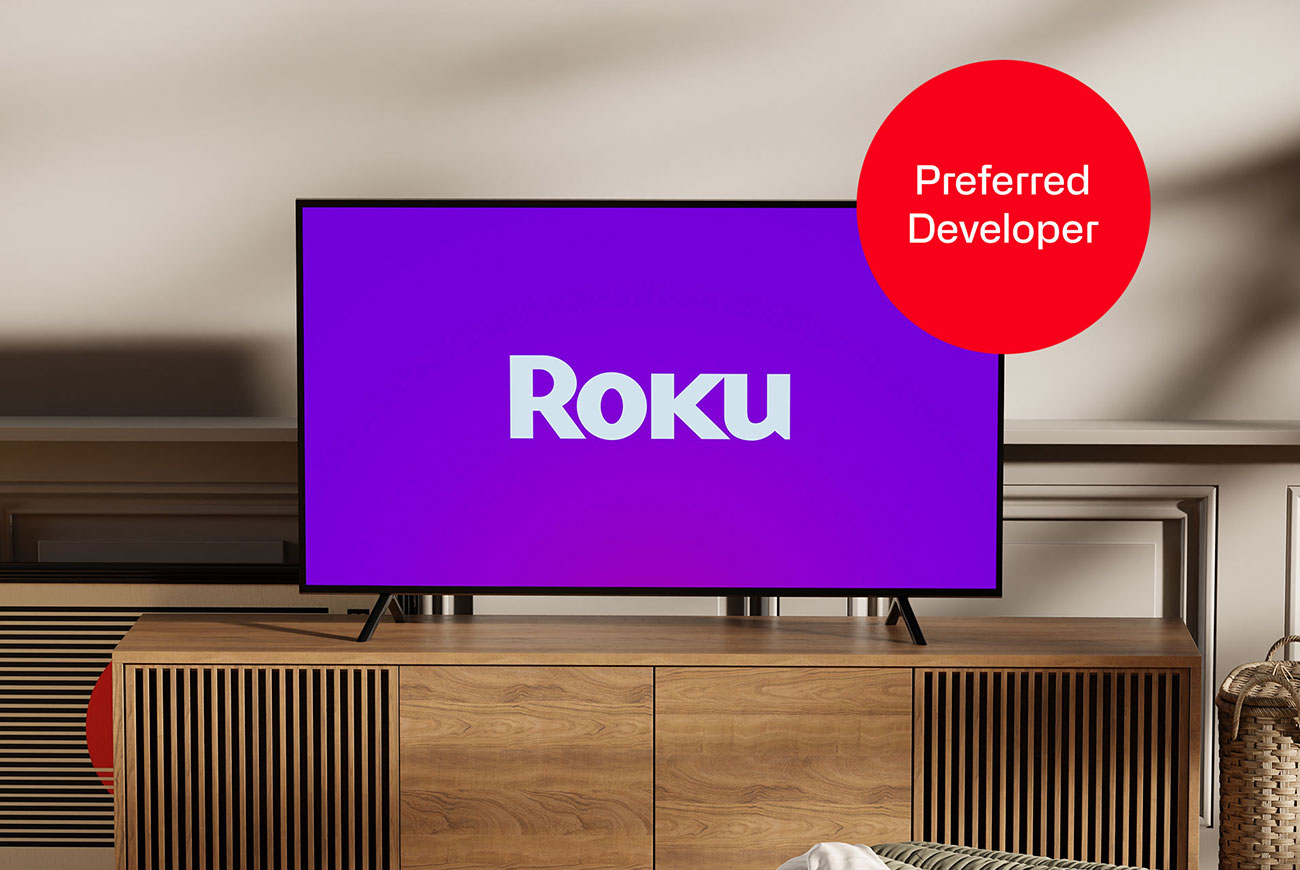
As a Preferred Developer, REDspace’s Roku engineering team includes more than 40 specialists working on custom streaming applications.
2. Who will be working on our Roku application, and what experience do they have?
Before hiring a Roku development company, find out who’ll actually be assigned to your project.
Two things are worth investigating:
- Roku expertise: How experienced are the developers with BrightScript and SceneGraph? Have they worked extensively on Roku applications?
- Technical leadership: Who’ll oversee the project’s architecture and help the team tackle difficult engineering challenges?
It’s also worth finding out how the company trains its developers and keeps their skills current.
Whenever possible, arrange a conversation with the technical lead before signing a contract. Discussing your project directly can give you a better sense of the team’s capabilities and how they’d approach your requirements.
3. How will you integrate our Roku app with our existing streaming infrastructure?
Your Roku application needs to work with the technology your company already uses. That might include your content management system, authentication services, or existing video delivery infrastructure.
But even when a development partner has experience with these technologies, unexpected compatibility issues can complicate a project.
Ask prospective vendors how they evaluate your existing infrastructure before development begins. Do they review API documentation? How do they identify potential integration challenges and account for them in the project timeline?
It’s also worth arranging a technical discussion between the vendor and your internal engineering team before finalizing the scope.
Look for a partner that asks detailed questions about your existing systems. A thorough discovery process can help uncover potential complications early, giving both teams a better understanding of the work involved.
4. How much flexibility will we have to customize our Roku app?
Imagine launching a Roku app, only to discover six months later that your development platform can’t support a new feature your product team wants to introduce.
This is an important consideration when choosing between turnkey streaming platforms and custom Roku development.
Turnkey platforms can help companies launch faster and at a lower initial cost. They may be a good fit for applications with relatively straightforward requirements. However, companies can run into limitations when they want to introduce features that fall outside the platform’s existing capabilities.
Custom development generally gives companies more control over their application’s functionality, although it typically requires a larger upfront investment.
When evaluating prospective partners, ask: “What happens if we want to introduce a feature your existing platform doesn’t support?”
Pay attention to how they respond. Can they explain how they’d accommodate new requirements? Would you need to wait for the platform provider to introduce the functionality?
Understanding these limitations upfront can help you choose a development approach that supports your application as it evolves.
5. How do you optimize performance across different Roku devices?
Imagine launching a Roku app, only to discover six months later that your development platform can’t support a new feature your product team wants to introduce.
A Roku app that runs smoothly on the latest hardware might struggle on an older streaming player.
Roku devices vary in processing power and available memory. An interface with complex animations or resource-intensive features could perform well on newer models but cause sluggish navigation or longer loading times on less powerful devices.
Experienced Roku developers account for these differences when designing applications. They may optimize memory usage or adjust certain features based on the device’s capabilities.
When evaluating development partners, ask how they approach performance optimization across Roku’s device ecosystem. Better yet, request a demonstration of their applications running on older hardware to see how they perform under more demanding conditions.
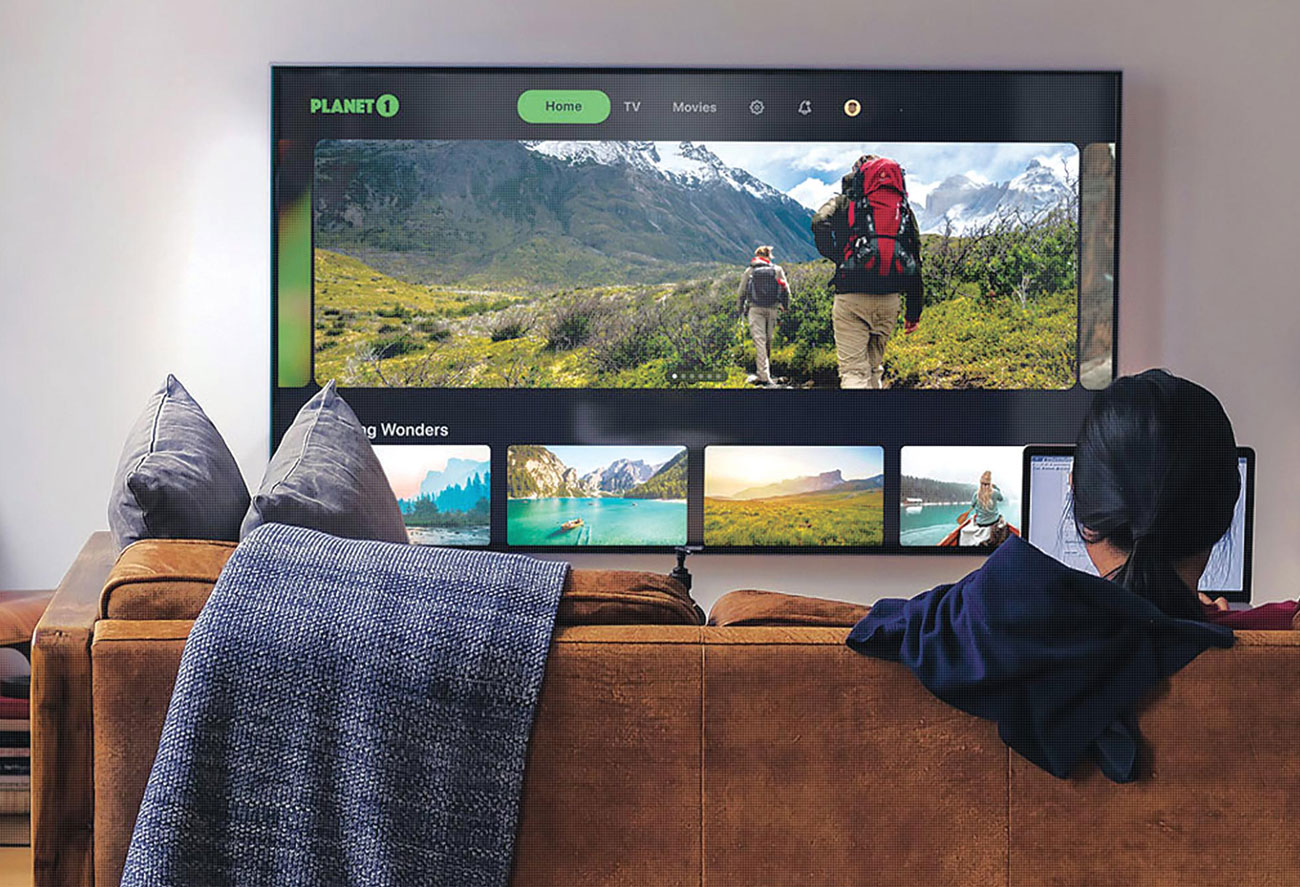
Roku devices vary in processing power and available memory. Experienced developers account for these differences, adapting application features and performance to support older hardware.
6. What does your Roku app testing process involve?
Most Roku development companies will tell you they thoroughly test their applications. But what does that testing actually involve?
When evaluating prospective partners, look for a testing process that covers:
- Physical devices: Does the company test on actual Roku hardware, including older models that may have limited processing power?
- Video playback: How does the team test buffering and playback performance under different network conditions?
- Automated testing: Which tests are automated to help catch bugs when developers introduce new features?
- Ongoing testing: Does testing happen throughout development, or primarily in the weeks leading up to launch?
Before committing to a development partner, consider requesting a sample test plan. This can give you a clearer understanding of how the company identifies potential issues and verifies that its applications meet your requirements.
7. How will you prepare our app for Roku certification?
Before your application can launch in the Roku Channel Store, it needs to meet Roku’s certification requirements.
An inexperienced development team might leave certification checks until the application is nearly finished. If problems emerge during submission, resolving them could require additional development work and delay your launch.
Experienced Roku developers take a more proactive approach. They account for certification requirements during development and incorporate relevant checks into their testing processes.
When evaluating prospective partners, ask how they prepare applications for certification. Do they check compliance throughout development, or wait until the application is ready for submission?
Look for a partner that can explain how it identifies potential certification issues early and handles problems that arise during the submission process. Remember, Roku makes the final approval decision, so no development company can guarantee certification.
8. How do you estimate Roku app development timelines?
Two Roku development companies might quote very different timelines for the same project. Before comparing their estimates, find out how each company arrived at its numbers.
Consider these two hypothetical responses:
A response worth questioning:
“We can have your Roku app ready in 12 weeks.”
A more useful response:
“We estimate 12–16 weeks, depending on the complexity of your integrations. Here’s how we’d break down the work and what we’d need from your team.”
The second response gives you a clearer picture of the work involved and the assumptions behind the estimate.
Look for a development partner that can explain potential project dependencies and how it handles unexpected complications. A detailed estimate should also clarify how changes in scope could affect your timeline and budget.
9. Will we own our Roku application’s source code?
Imagine hiring a development company to build your Roku application. Two years later, you decide to bring development in-house. But when your engineers ask for the source code, you discover that your agreement doesn’t give you full ownership or unrestricted access.
This is why it’s important to clarify code ownership before signing a contract.
Ask prospective development partners who will own the custom code they create and whether any proprietary frameworks come with licensing restrictions. You’ll also want to confirm that your team will have access to the source code and documentation needed to maintain the application.
Ideally, your agreement should give you the flexibility to continue development with your internal engineers or another partner if your needs change.
10. Can you build our Roku app or work alongside our existing team?
Hiring a Roku development company doesn’t necessarily mean outsourcing your entire project. Depending on your internal resources, you may need a partner to handle development from start to finish or provide specialized engineers to support your existing team.
Development companies typically offer two types of arrangements:
- Dedicated development team: The vendor takes responsibility for building your Roku application, while your internal team provides requirements and oversees the project.
- Staff augmentation: Experienced Roku developers work alongside your existing engineers, providing specialized expertise while following your established development processes.
If you’re considering staff augmentation, find out how the vendor’s developers will collaborate with your team. It’s also worth discussing how they’ll share technical knowledge so your internal engineers can maintain and extend the application after the engagement ends.
Choosing the right Roku app development company.
An impressive portfolio is a good starting point when evaluating Roku development companies. But it only tells you so much about how a team will approach your application.
The conversations you have before signing a contract can be just as revealing. A prospective partner should be able to explain how they’d approach your technical requirements and identify potential challenges before development begins.
The more specific those conversations become, the easier it is to judge whether a company has the experience your application requires.
Looking for a Roku app development partner?
REDspace is a Roku Preferred Developer with more than 40 Roku specialists. Our engineers help leading media and streaming companies build custom applications that integrate with their existing infrastructure.
Whether you’re building a new Roku application or need experienced developers to support your existing team, we’d love to hear what you’re working on.
Have a Roku project in mind? Talk to our team.